
Born on 28 September 1929 in Indore, Madhya Pradesh.
Daughter of classical singer and theatre actor Pandit Deenanath Mangeshkar.
Belonged to a Marathi musical family eldest of five siblings including Asha
Bhosle, Usha Mangeshkar, and Hridaynath Mangeshkar.
Began learning music at a very young age from her father.
Early Career in the 1940s
Early Career in the 1940s
Made her debut in 1942 with a Marathi song.
First major breakthrough in Hindi cinema came with “Aayega Aanewala” from Mahal (1949)
Faced beginning rejection due to her thin voice which later became her brand.
1950s
Rose to prominence with hits like
Barsaat (1949
Baiju Bawra (1952)
Madhumati (1958)
Collaborated frequently with composers like Naushad Shankar-Jaikishan and C. Ramchandra.
1970s
Continued dominance with iconic songs in films like:
Bobby (1973)
Abhimaan (1973)
Satyam Shivam Sundaram (1978)
Rivalry with Asha Bhosle is often discussed in the media.
1980s
Continued to sing for younger heroines.
Songs from Ram Teri Ganga Maili, Chandni were notable.
Worked with composers like R.D. Burman and Laxmikant-Pyarelal
1990s
Sang memorable tracks for films like:
Dilwale Dulhania Le Jayenge (1995)
Hum Aapke Hain Koun..! (1994)
Collaborated with younger generation composers like Anu Malik and Jatin-Lalit.
2000s
Slowed down her output but still sang in select films such as:
Veer-Zaara (2004) – all songs were recorded earlier but released in 2004.
Focus shifted more to live performances and state functions.
2010s
Semi-retired, appeared in public occasionally.
Sang devotional songs and participated in national events.
2020s
Recorded a few songs due to health issues.
The last recorded song was reportedly a patriotic number during the COVID-19 pandemic.
Sang many Bengali songs, both film and non-film.
Collaborated with composers like Salil Chowdhury and Hemant Kumar.
Was as beloved in West Bengal as she was across India.
Duets with Mohammed Rafi, Mukesh, Kishore Kumar, and Manna Dey are legendary.
Later sang with Udit Narayan, Sonu Nigam, and Kumar Sanu.
Her duets with Rafi and Kishore remain evergreen classics.
Music Direction
Composed music under the pseudonym Anand Ghan.
Notable films: Sadhi Manase (1965), Mohityanchi Manjula (1969).
Production
Produced Marathi films like Lekin... (1991), which also won National Awards.
1940s – Early Breakthrough
“Aayega Aanewala” – Mahal (1949)
1950s – Rise to Stardom
“Rasik Balma” – Chori Chori (1956)
“Jiya Beqarar Hai” – Barsaat (1949)
“Aaja Re Pardesi” – Madhumati (1958)
“Mohe Bhool Gaye Sawariya” – Baiju Bawra (1952)
1960s – Golden Era
“Ajeeb Dastan Hai Yeh” – Dil Apna Aur Preet Parai (1960)
“Lag Ja Gale” – Woh Kaun Thi (1964)
“Pyar Kiya To Darna Kya” – Mughal-e-Azam (1960)
“Tere Bina Zindagi Se” – Aandhi (1975) (recorded in early '70s)
“Naina Barse Rimjhim Rimjhim” – Woh Kaun Thi (1964)
1970s – Emotional & Romantic Hits
“Bahon Mein Chale Aao” – Anamika (1973)
“Satyam Shivam Sundaram” – Satyam Shivam Sundaram (1978)
“Chalte Chalte” – Pakeezah (1972)
“Tere Bina Zindagi Se” – Aandhi (1975)
1980s – Evergreen Melodies
“Sheesha Ho Ya Dil Ho” – Aasha (1980)
“Tune O Rangeele” – Kudrat (1981)
“Sun Sahiba Sun” – Ram Teri Ganga Maili (1985)
“Hothon Se Chhoo Lo Tum” – Prem Geet (1981)* (with Jagjit Singh)*
1990s – Timeless Modern Classics
“Dil Deewana” – Maine Pyar Kiya (1989)
“Didi Tera Devar Deewana” – Hum Aapke Hain Koun..! (1994)
“Tujhe Dekha To” – Dilwale Dulhania Le Jayenge (1995)
“Pyar Hua Chupke Se” – 1942: A Love Story (1994)
2000s & Later
“Tere Liye” – Veer-Zaara (2004)
“Humko Humise Chura Lo” – Mohabbatein (2000)
“Lukka Chuppi” – Rang De Basanti (2006, with A.R. Rahman)*
“Saugandh Mujhe Is Mitti Ki” – patriotic song during COVID era (2020)
Bharat Ratna (2001) – India’s highest civilian award.
Padma Vibhushan, Padma Bhushan, Dadasaheb Phalke Award.
Holds Guinness World Record for the most recorded songs in the world (disputed but widely accepted).
Numerous Filmfare Awards and National Film Awards.
Famous rift with Mohammed Rafi over royalty rights; later reconciled.
Feud rumors with Asha Bhosle, mostly denied publicly.
Some controversy over song preferences and selection in Bollywood.
Never married, remained deeply attached to her siblings and nieces/nephews.
Was a guiding force in the careers of Asha Bhosle and Hridaynath Mangeshkar.
Unmarried. She once hinted at a personal relationship but chose music and family over marriage.
One of the highest-paid playback singers in Indian history.
Initially paid a few rupees, later commanded top fees per song.
Also received royalties for many of her songs.
Battled health issues in the last few years.
Hospitalized in early 2022 due to COVID-19 and pneumonia.
Passed away on 6 February 2022 at the age of 92 in Mumbai.
State funeral and two-day national mourning declared.
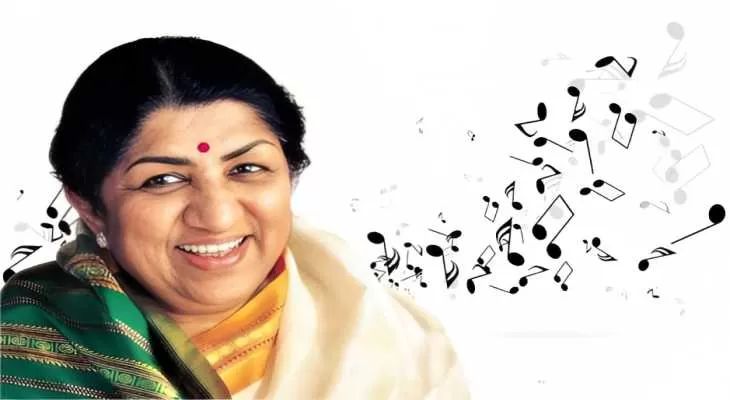
Lata Mangeshkar’s voice defined Indian music for over seven decades. With a career that touched the lives of millions, she remains a symbol of excellence, devotion, and artistry. Her songs continue to resonate across generations, making her truly the "Nightingale of India."
Lata Mangeshkar Biography – Life, Career, Songs, Awards & Legacy
 Jul 30, 2025 03:07
Lata Mangeshkar Biography – Life, Career, Songs, Awards & Legacy
Jul 30, 2025 03:07
Lata Mangeshkar Biography – Life, Career, Songs, Awards & Legacy
Jul 30, 2025 03:07